DIY Cards

Zoarcid Fish (Eelpout)
Aaron P.
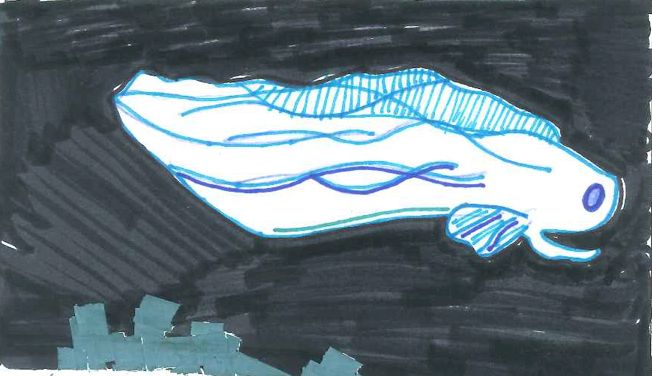


A top predator in the hydrothermal vent community. Eats almost anything including crabs, shrimp, and tubeworms.

Yeti Crab
William D.
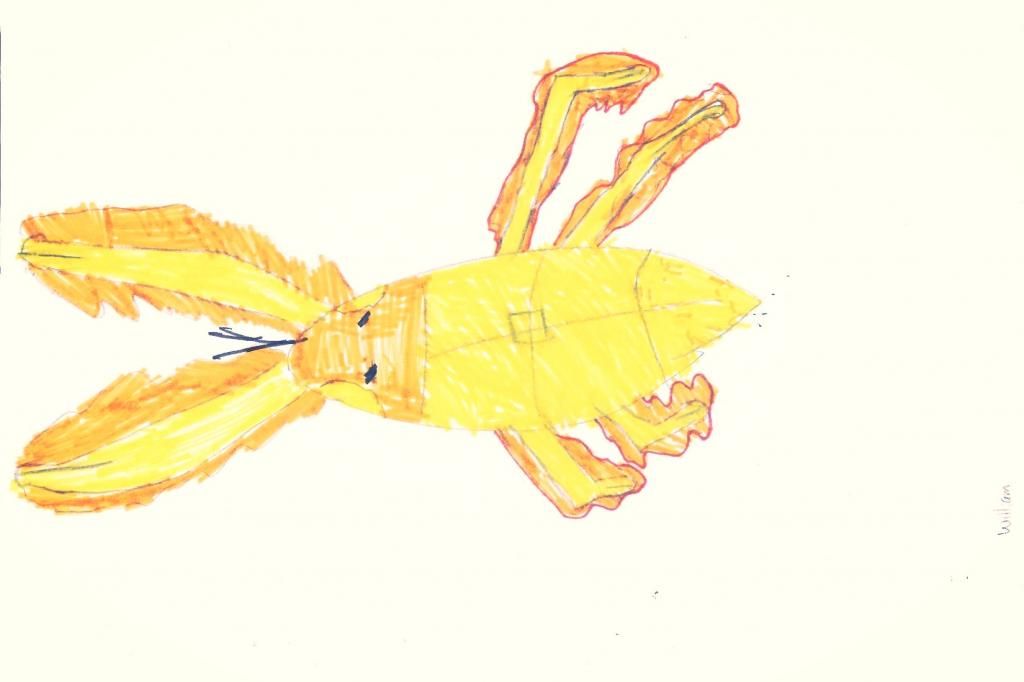
Hair-like setae cover the crab’s body which help this blind crustacean sense its surroundings. The discovery of the Yeti crab has led to the creation of a new crutacean family- Kiwaidae. Yeti crabs eat mussels and bacteria.

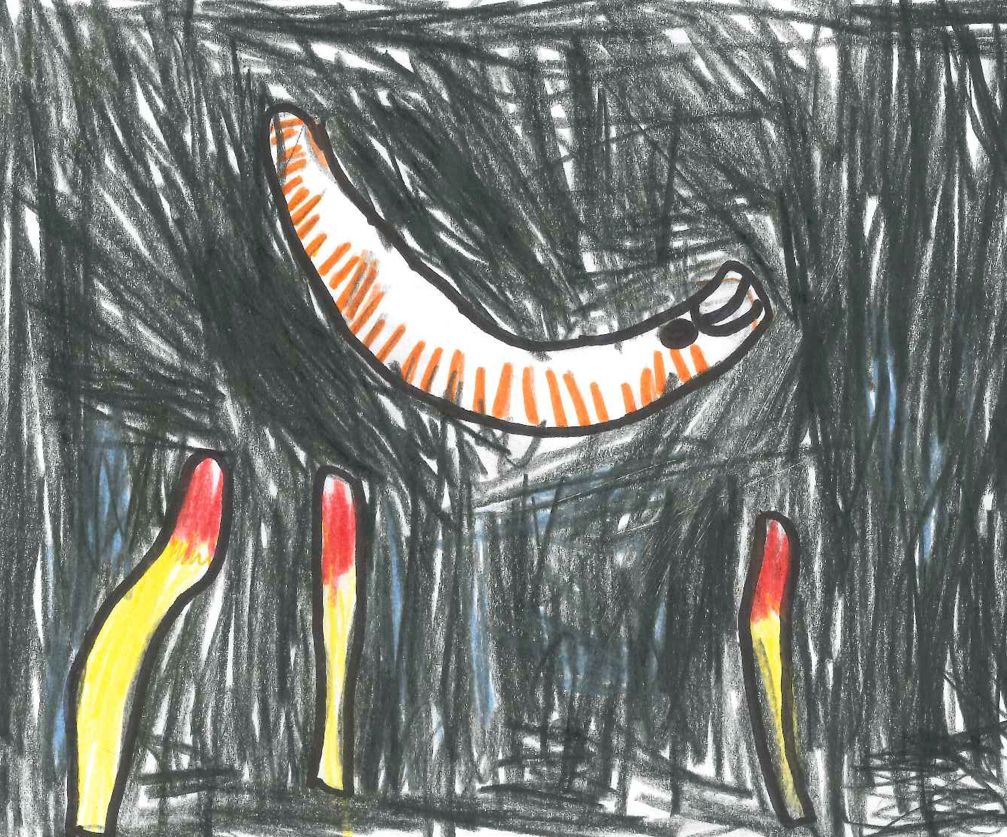

Glass Sponge
Remy de S.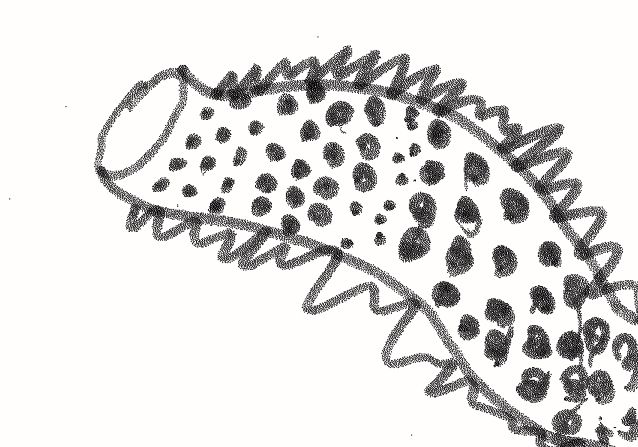
Diet: They feed on plankton and bacteria filtering tiny particles of nutrients that fall to the ocean floor. The skeleton of the Glass Sponge is made of silica. This is the same material used to make window glass. Ability to conduct electrical impulses across their bodies, making it possible for them to respond quickly to external stimuli.

Fan Moss
Rhizomnium glabrescens

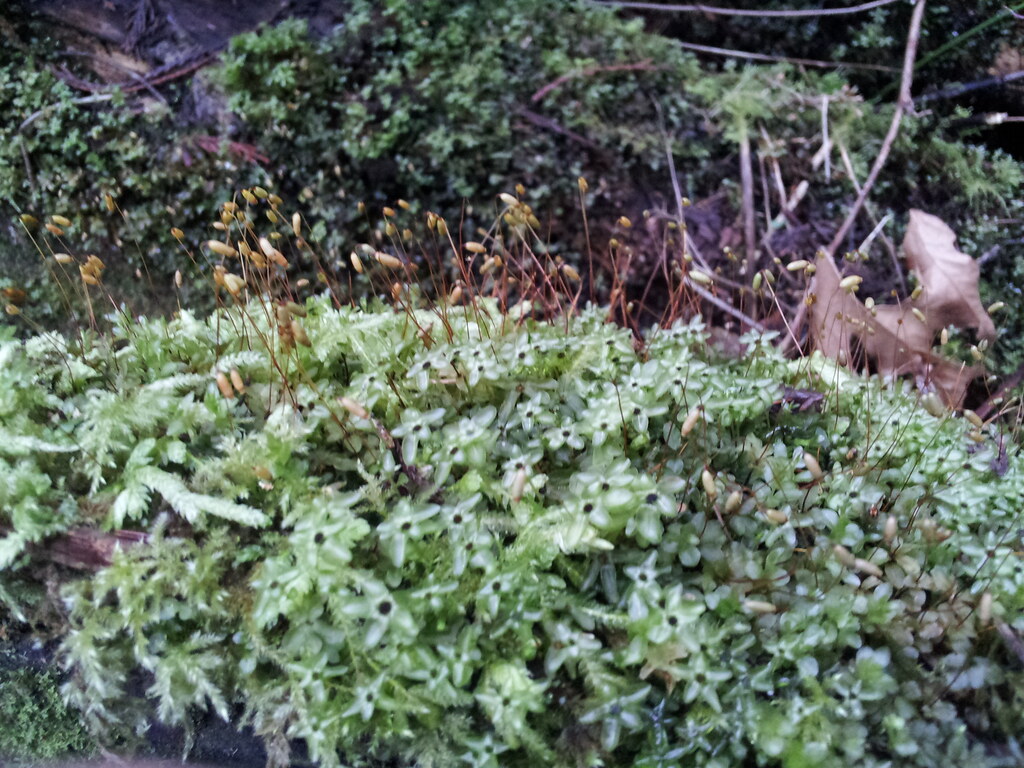
FACT: There is a rosette of rounded, glossy perigonial leaves surrounding the reproductive structures of the male gametophyte. This arrangement works as a splash cup mechanism to disperse sperm.
Broom Moss
Dicranum scoparium 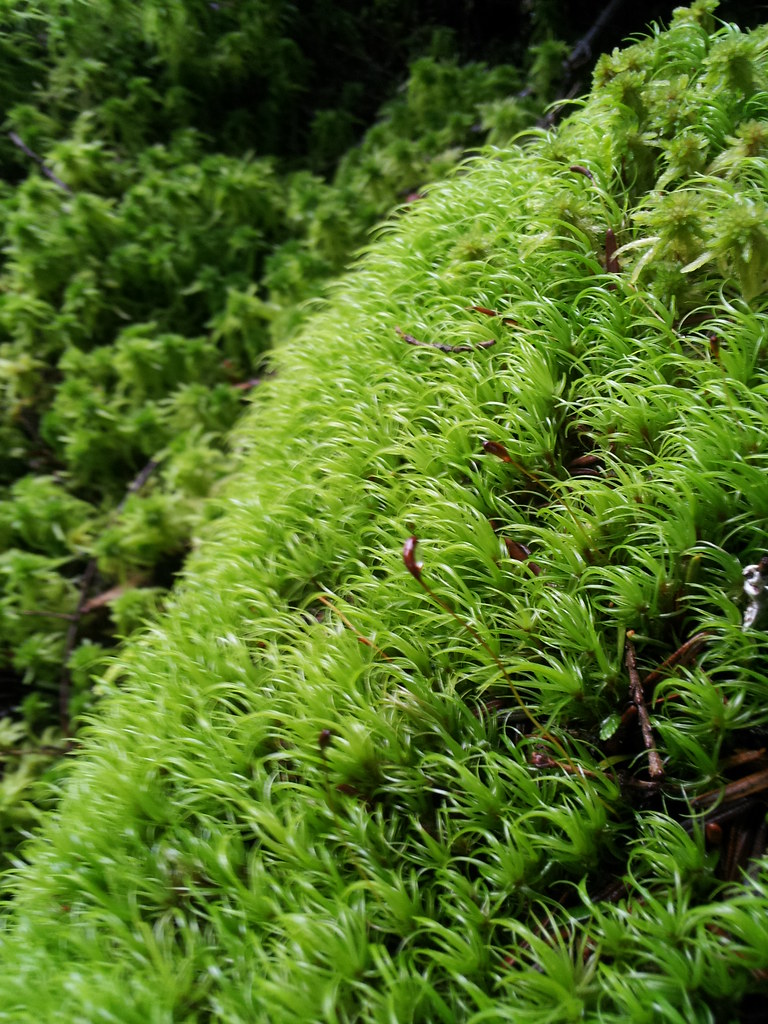
FACT: Its common name comes from the falcate (curved)-secund (to one side) leaves of the gametophyte, which give it the appearance of a tiny broom. It is commonly found growing in exposed sites epiphytically on tree trunks, on rotten logs, exposed cliff edges, or forest floors.