
Angel Shark
Squatina squatina

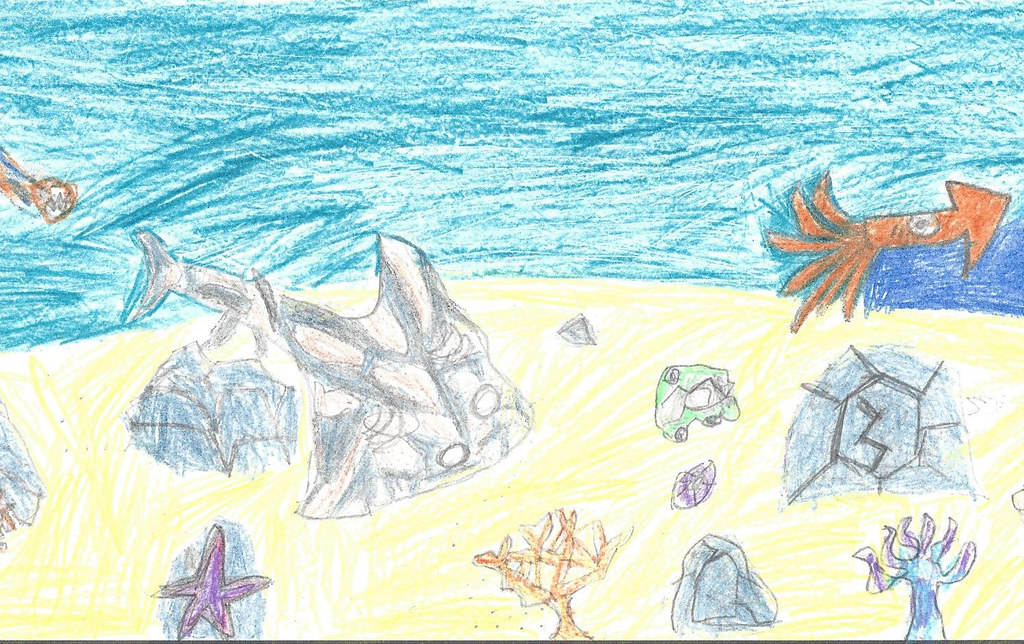


The angel shark can camoflage itself at the bottom of the ocean floor and when an unsuspecting squid or fish comes by, dinner is served. Most sharks must swim to breathe, but an angel shark has special muscles that pump water over its gills and through spiracles (holes) in its head. Angel sharks look like sting rays, but can bite with very sharp teeth.
Cold, Cool
Graphic by Alison Kocher


Goldfish
Carassius auratus

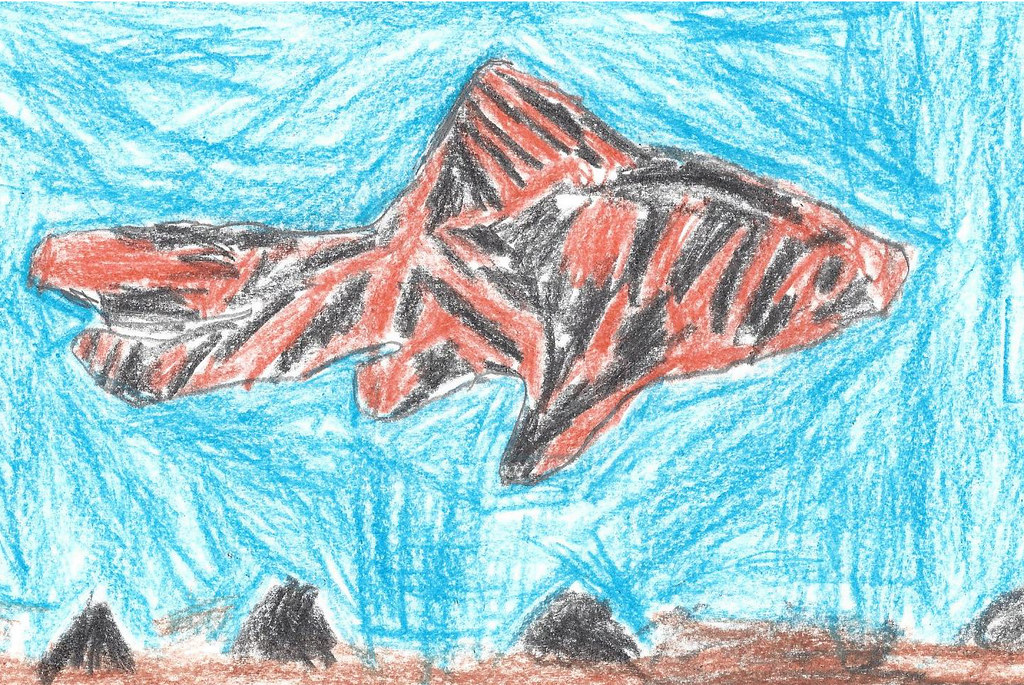
Goldfish were domesticated in China about 2,000 years ago. In Japan, during summer festivals, a game called goldfish scooping is played.
Cool, Warm
Graphic by Alison Kocher



Komodo Dragon
Varanus Komodoencis 
Komodo dragons have venomous saliva. They can locate a dead or dying animal from a range of 5.9 miles. They live in the islands of Indonesia, and are capable of eating very large animals. In Indondesia they put the image of the komodo dragon on a coin
Warm, Hot
Graphic by Alison Kocher

Goliath Birdeater
Theraphosa blondi
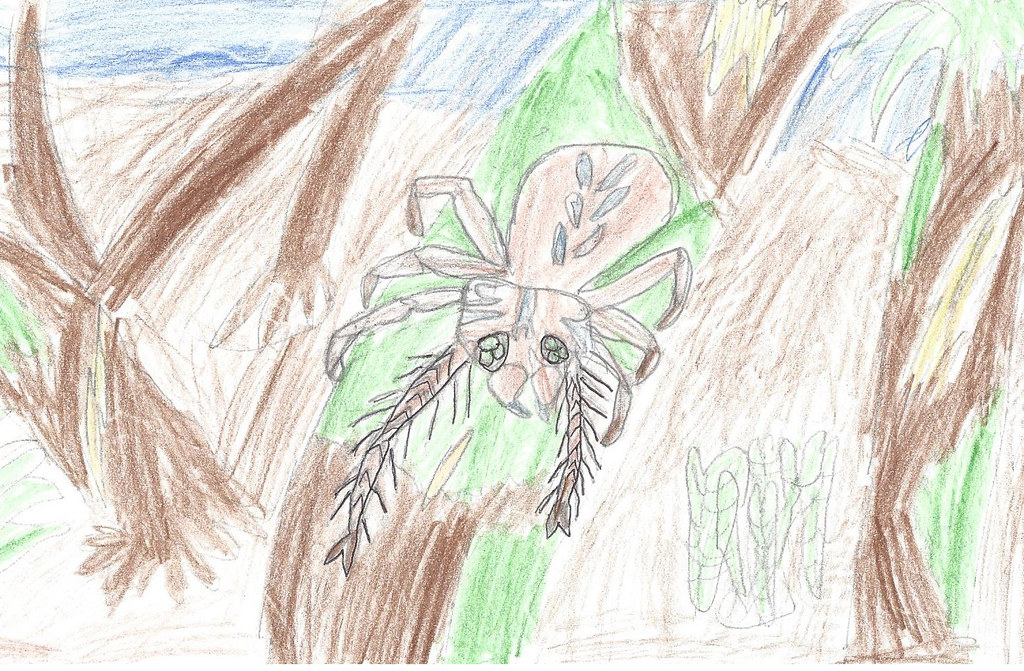
The Goliath birdeater lives in the rain forest. It eats birds, spiders, crickets, frogs, toads, lizards, snakes and cockroaches. It can have a venomous bite for killing prey, or a non-venomous bite for self defense. It is the world’s second largest spider.
Warm, Hot
Graphic by Alison Kocher

Goat Sucker
Chupacabra, El vampiro de Moca 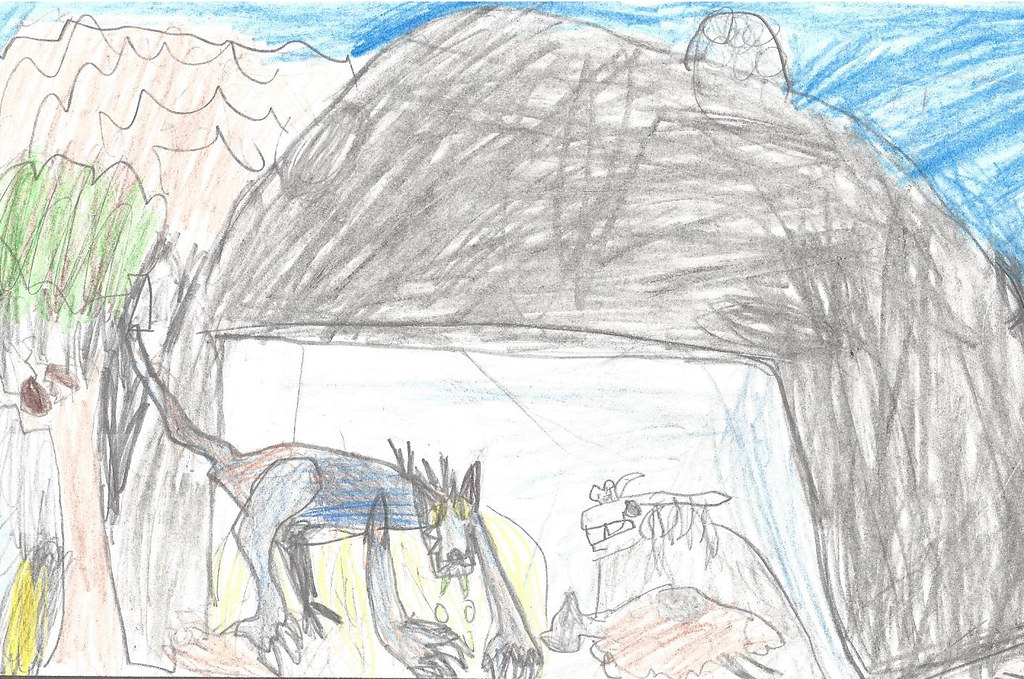
The first reported attacks occurred in March 1995 in Puerto Rico. In this attack eight sheep were found dead, each with three puncture wounds in the chest area, and completely drained of blood.
Hot
Graphic by Alison Kocher

Kraken
Microcosmus marinus
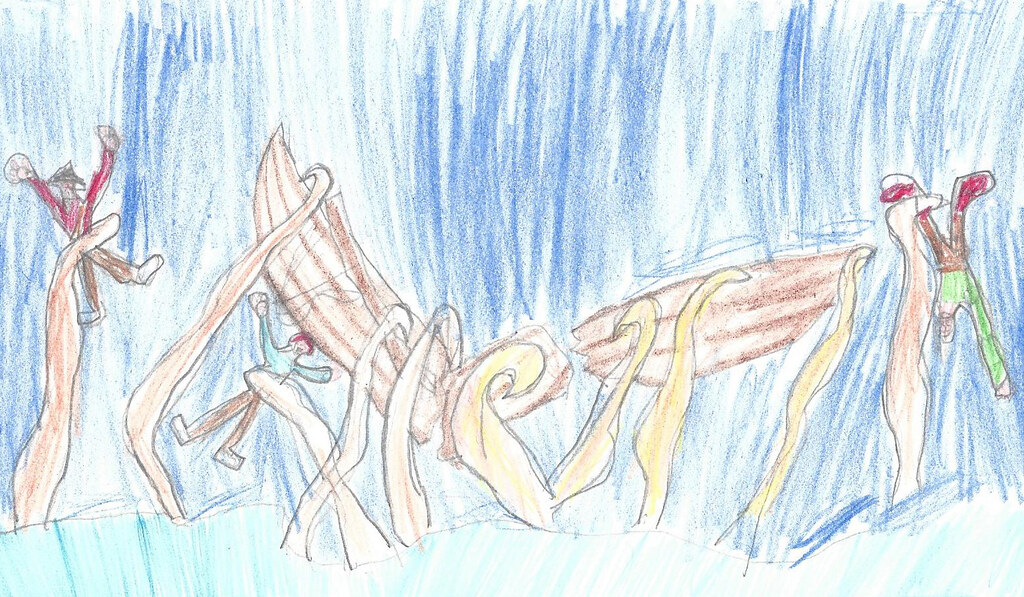
The kracken’s habitat is the Greenland sea. Since the 18th century, the kracken have been depicted in a number of ways, primarily as a large octopus-like creature. It has often been alleged that Pontoppidan’s kracken might have been based on sailor’s observations of the giant squid.
Cold, Cool
Graphic by Alison Kocher