Canada Goose
Branta canadensis

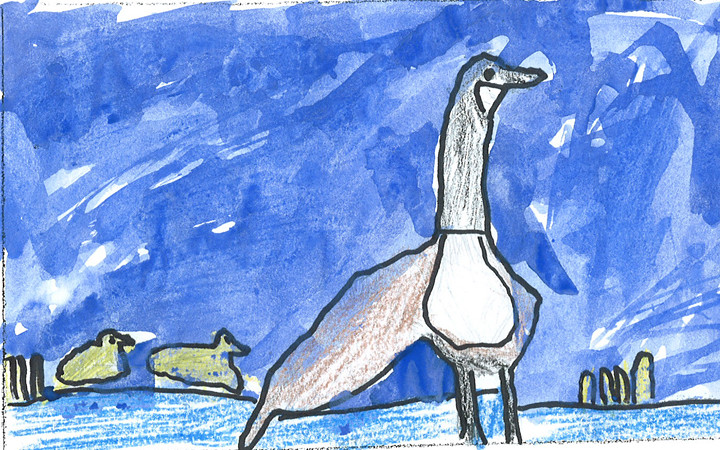


• The Canada Goose is a large bird.
• The Canada Goose flies to southern US, and when it’s warm in Canada, they fly back.
• The Canada Goose likes to eat weeds.
Cool, Warm
Graphic by David Ng

Polar Bear
Ursus maritimus

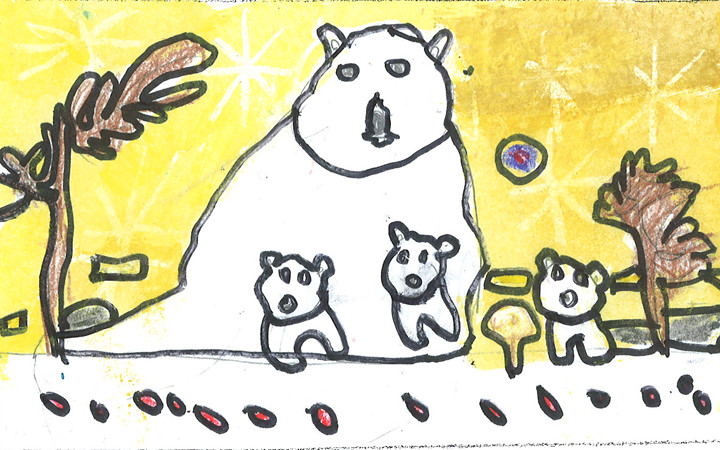
• Polar Bears are big and furry.
• Polar Bears have no predators.
• Polar Bear babies are called cubs.
Cold
Graphic by David Ng

Deer
Rangifer tarandus 
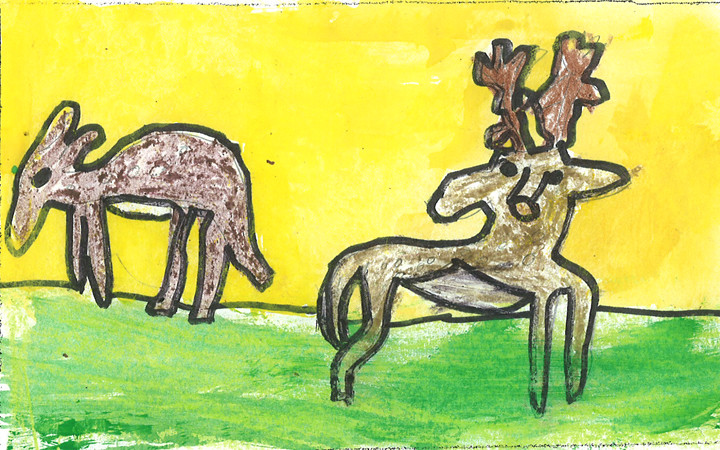
• Deer can have different antlers and spots.
• Deer live in forests.
• Baby deer are called fawns.
Cold, Cool
Graphic by David Ng

Beaver
Castor canadensis
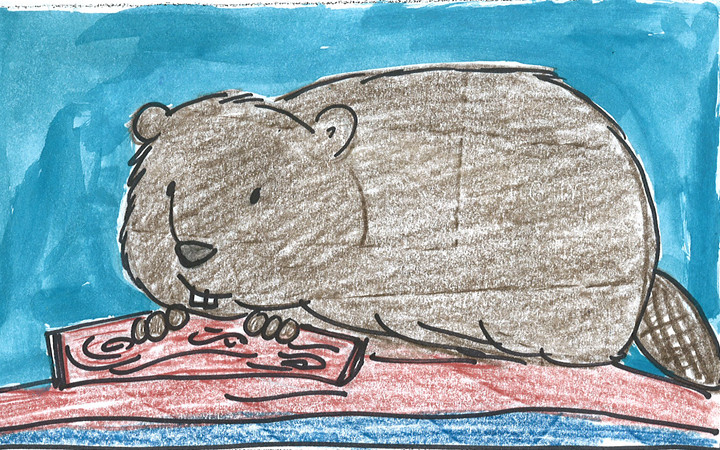
• A Beaver has 4 long, front teeth and 16 back teeth.
• A Beaver likes in lodges in ponds, lakes, or streams.
• Beaver babies are called kits or pups.
Cool, Warm
Graphic by David Ng

River Otter
Lontra canadensis 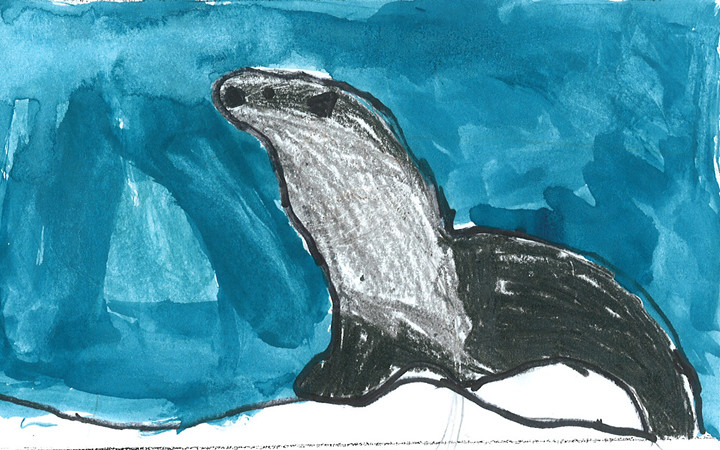
• River Otters have two thick brown fur coats.
• River Otters live near water.
• A River Otter’s favourite food is crayfish.
Cold, Cool, Warm
Graphic by David Ng

Chipmunk
Neotamias
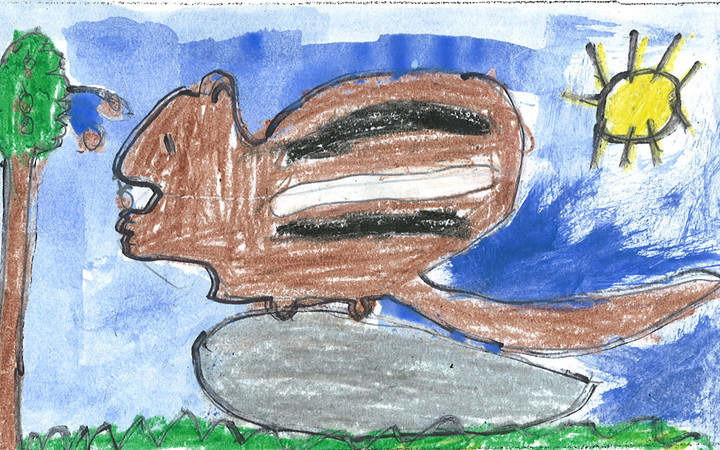
• Chipmunks have black and white stripes on their back.
• Chipmunks eat nuts, berries, and seeds.
• Baby Chipmunks are born in April and August.
Cold, Cool, Warm
Graphic by David Ng

Arctic Fox
Vulpes lagopus 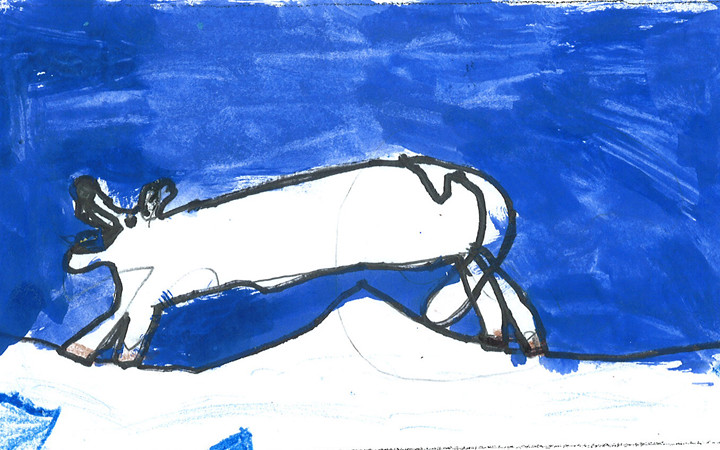
• Arctic Foxes are white.
• The babies of Arctic Foxes are called kits.
• Arctic Foxes often follow polar bears and eat their leftovers.
Cold, Cool
Graphic by David Ng

Arctic Fox
Vulpes lagopus 
• Arctic Foxes are white.
• Arctic Foxes usually have six to eight kits in a litter.
• Arctic Foxes hunt small animals, such as lemmings.
Cold, Cool
Graphic by David Ng