
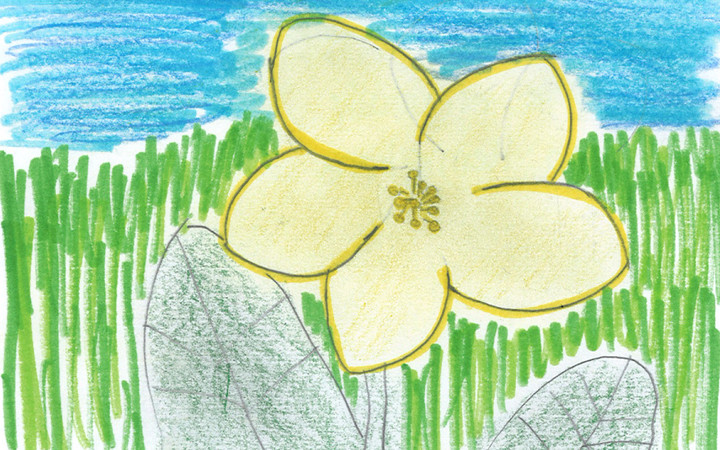
Buttercup
Ranunculaceae



RICHMOND DYKE DECK | 2 POINTS
• Buttercups are native to the Northern Hemisphere.
Cool, Warm
Graphic by Sara Shayan

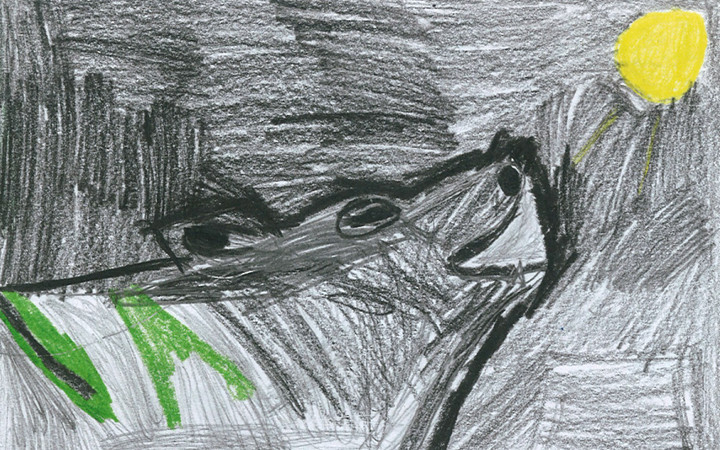
Grey Wolf
Canis lupus

RICHMOND DYKE DECK | 6 POINTS
• Wolves feed on medium to large sized ungulates, marmots, hares, badgers, foxes, polecats, ground squirrels, mice, hamsters, voles, and other rodents. Sometimes they will even eat lizards and toads.
Cold, Cool, Warm
Graphic by Sara Shayan

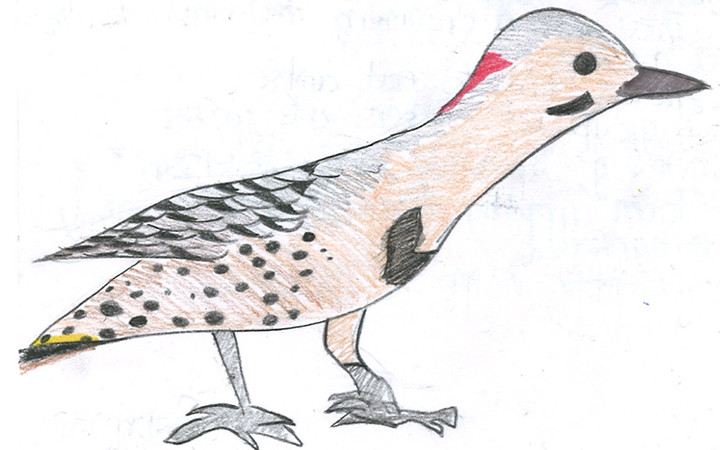
Northern Flicker
Colaptes auratus 
RICHMOND DYKE DECK | 4 POINTS
• Norther Flickers use a drumming technique to attract their mates. • A group of Flickers is called a “guttering,” a “Peterson,” or a “menorah.”
Cool, Warm
Graphic by Sara Shayan

Common Cattail
Typha latifolia 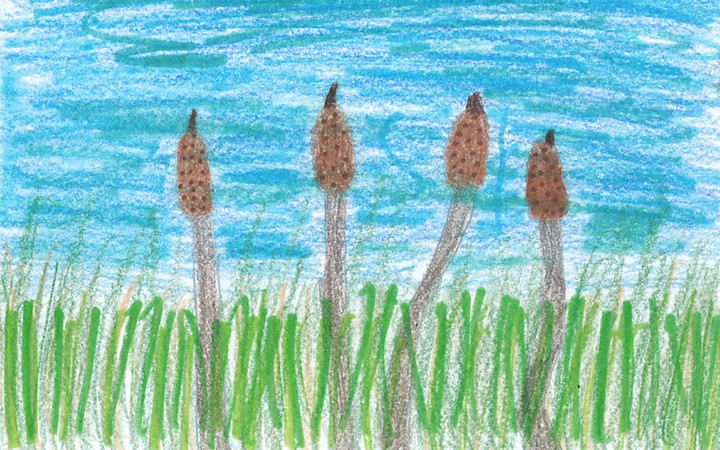
RICHMOND DYKE DECK | 2 POINTS
• Cattails usually grow near ponds or in slightly brackish water. • Did you know? Cattail pollen can be stuffed into life jackets and mattresses.
Cool, Warm
Graphic by Sara Shayan

Dandelion
Taraxacum officinale

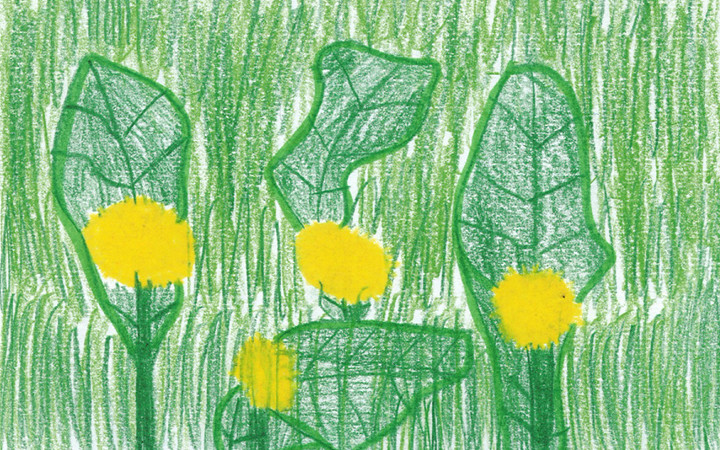
RICHMOND DYKE DECK | 2 POINTS
• Dandelion seeds are an important food source for small birds.
• Did you know? Dandelions are originally from Asia!
Cool, Warm
Graphic by Sara Shayan

Brackish Water
Habitat card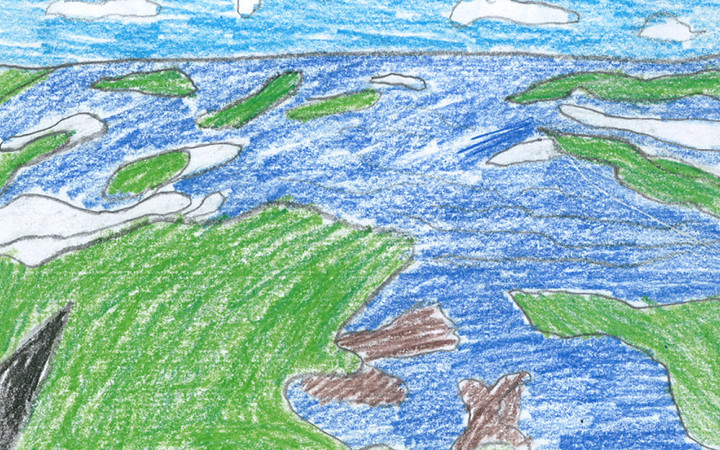
RICHMOND DYKE DECK
• Mixed seawater with fresh water. • Has more salinity than fresh water. • Habitat is the mangrove swap, or mangal.
Graphic by Sara Shayan

Bald Eagle
Haliaeetus leucocephalus 
RICHMOND DYKE DECK | 6 POINTS
• Bald Eagles like to live near sea coasts, rivers, lakes, oceans, and other large bodies of open water with an abundance of fish.
Cool, Warm
Graphic by Sara Shayan

Northern Harrier
Circus cyaneus 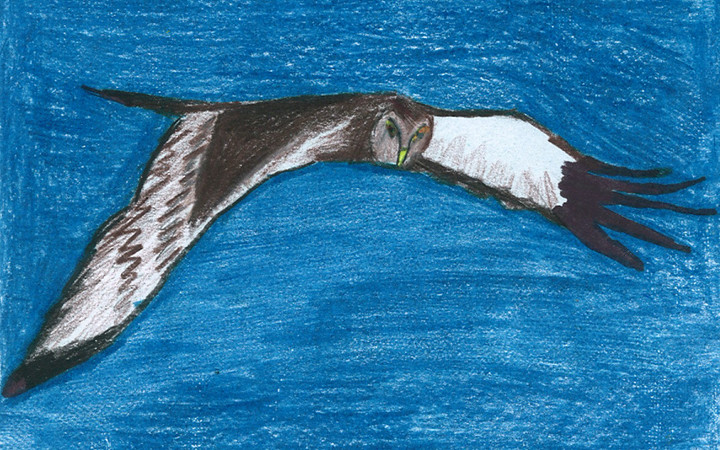
RICHMOND DYKE DECK | 6 POINTS
• Northern Harriers have a wingspan of 3 ½ – 4 ½ metres. • Female Northern Harriers are slightly larger than males.
Cool, Warm, Hot
Graphic by Sara Shayan

American Coot
Fulica americana
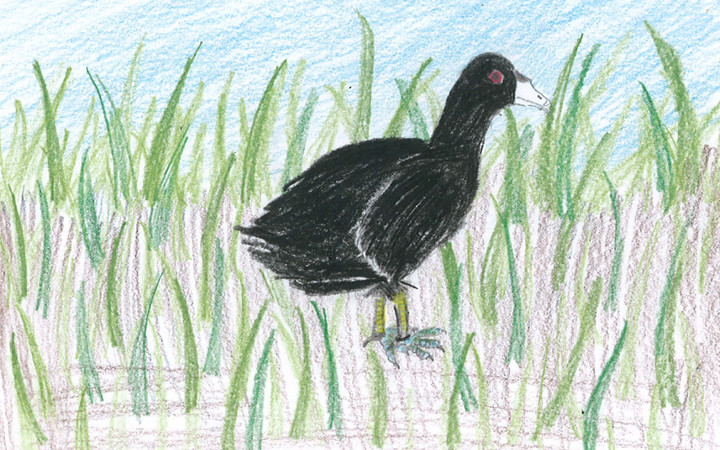
RICHMOND DYKE DECK | 3 POINTS
• American Coots steal from other birds.
• Adult Coots will usually have a reddish-brown spot near the top of their bill.
Cool, Warm
Graphic by Sara Shayan