
Black Labrador Retriever
Canis lupus familiaris

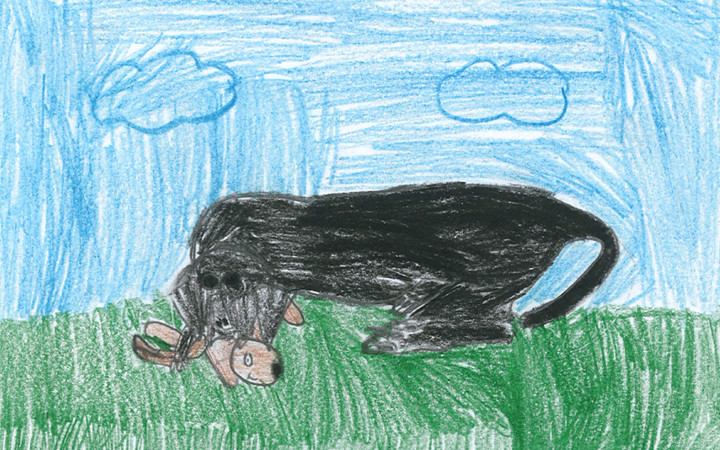


RICHMOND DYKE DECK | 8 POINTS
• Dogs were domesticated from grey wolves about 15,000 years ago. • In 2001, there were an estimated 400 million dogs worldwide.
Cool, Warm
Graphic by Sara Shayan

American Bittern
Botaurus lentiginosus
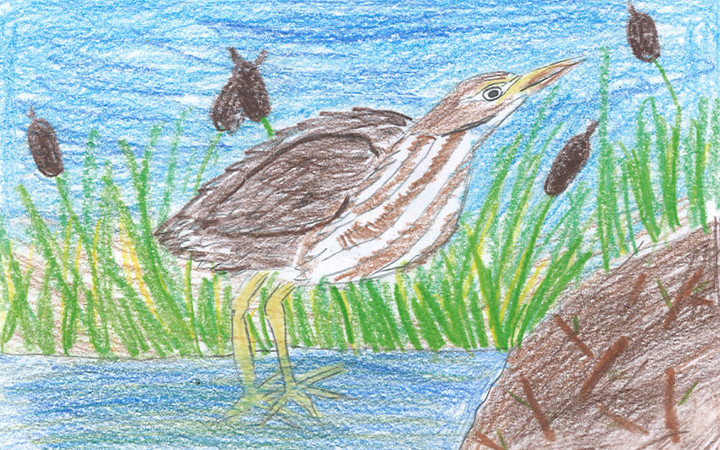
RICHMOND DYKE DECK | 7 POINTS
• When alarmed, an American Bittern will point its beak straight up and contract its body. • The American Bittern feeds in marshes and shallow ponds.
Cool, Warm
Graphic by Sara Shayan

Earthworm
Lumbricus terrestris

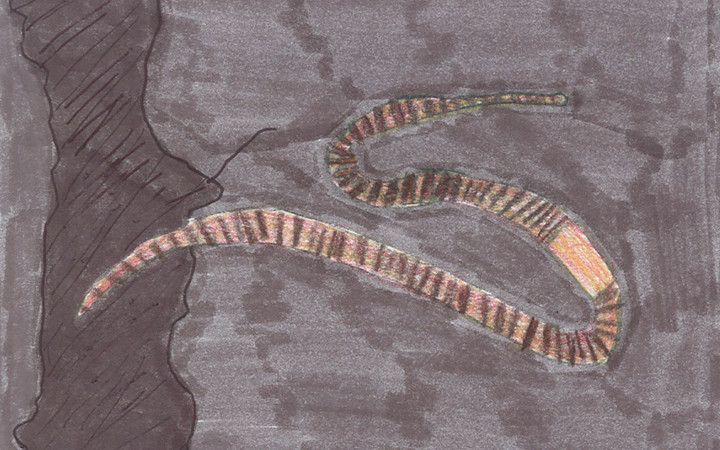
RICHMOND DYKE DECK | 2 POINTS
• Earthworms can be found on every continent except Antarctica.
• Contrary to popular belief, cutting a worm in half will not result in the regeneration of two separate worms.
Cool, Warm, Hot
Graphic by Sara Shayan

Coyote
Canis latrans 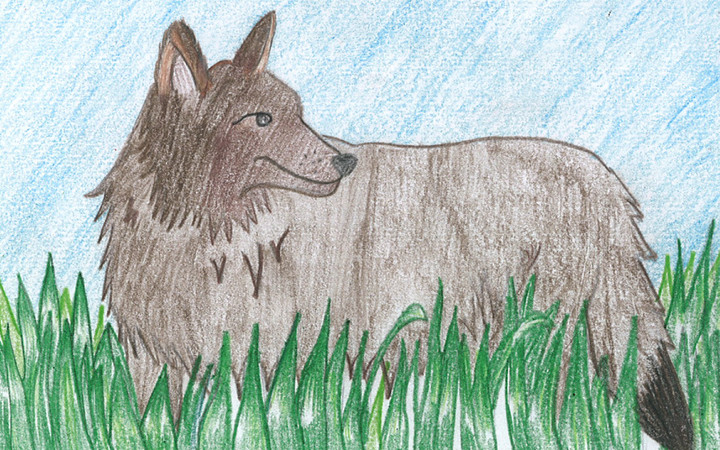
RICHMOND DYKE DECK | 7 POINTS
• Coyotes are related to wolves.
• When chasing prey, coyotes can reach speeds of up to 69 kilometers per hour.
Cool, Warm
Graphic by Sara Shayan

Meadow Puffball
Vascellum pratense

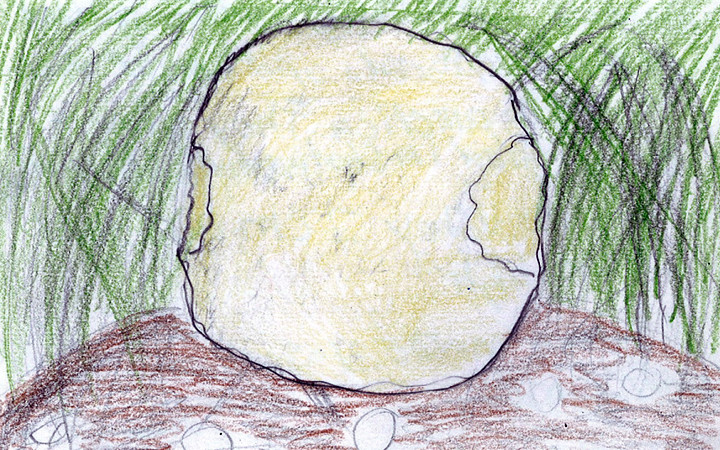
RICHMOND DYKE DECK | 3 POINTS
• Meadow Puffballs live on the ground in meadows, pastures, and similar areas in North America.
• They are usually 2 centimeters across and 2 centimeters high.
Cool, Warm
Graphic by Sara Shayan

Ladybug
Coccinella magnifica 
RICHMOND DYKE DECK | 6 POINTS
• Ladybugs have an average lifespan of 2 to 3 years. • They have short legs, oval-shaped bodies, and antennae.
Cool, Warm
Graphic by Sara Shayan

Green Heron
Butorides virescens 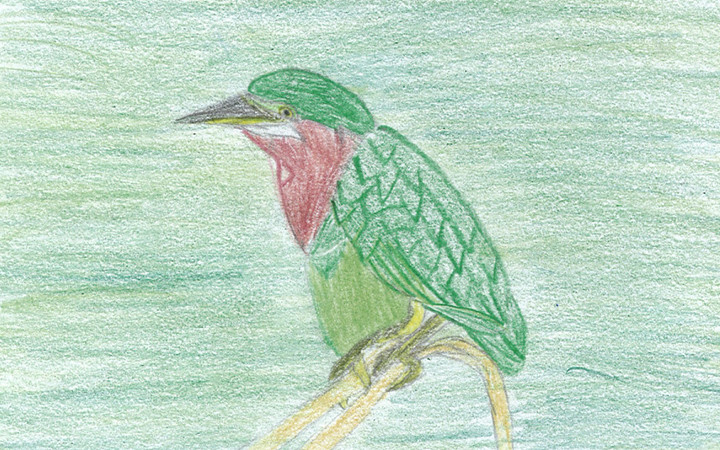
RICHMOND DYKE DECK | 6 POINTS
• Green Herons have a body length of about 44cm.
• Female Green Herons are usually smaller than males.
Cool, Warm
Graphic by Sara Shayan

Log
Habitat card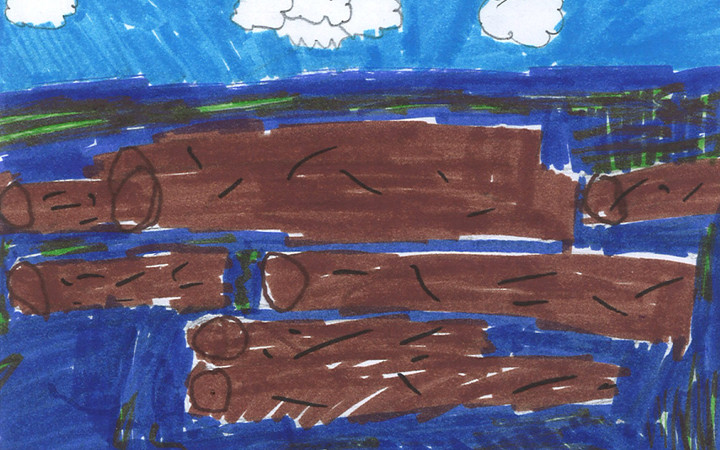
RICHMOND DYKE DECK
• Lots of logs are found at the dyke because the wind carries logs in on the tide.
• When logs are washed ashore, wood bugs start to live on them.
Cool, Warm
Graphic by Sara Shayan

Golden Eagle
Aquila chrysaetos 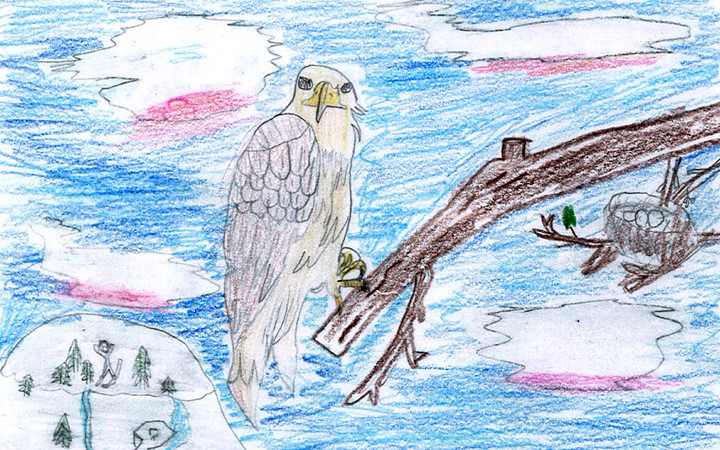
RICHMOND DYKE DECK | 8 POINTS
• The Golden Eagle is the largest bird of prey in North America.
• Golden Eagles are not really golden. Their feathers are a brownish-yellow.
Cool, Warm
Graphic by Sara Shayan